A complete digital ecosystem
for Tibetan script.
Tibetan is spoken by six million people and has one of the oldest literary traditions on earth — yet it has no word processor, no CSS framework, no manuscript tool, and existing OCR struggles with its stacked consonants. Terma Foundry is building what's missing — and rebuilding what's broken.
Six tools. One mission.
Each tool solves a real problem that Tibetan speakers, developers, students, and scholars face today.
termaUI
The world's first CSS framework for Tibetan script. Solves rendering, line-height, font loading, and layout in a single stylesheet. Powers this entire website.
TermaType
A Tibetan word processor with a built-in keyboard, live dictionary, and beautiful typography. Write, format, and publish — no installation needed.
PechaForge
Create authentic three-column pecha manuscripts. Choose fonts and themes, then export print-ready PDFs — including double-sided layouts for cutting into traditional leaves.
TermaOCR
Tibetan script recognition that handles stacked consonants and varied woodblock styles. Upload an image or PDF, draw regions, and get editable Unicode text back.
Dictionary
The most comprehensive Tibetan dictionary available — 1.2 million entries across 64 authoritative sources. Search by Tibetan, Wylie, or English.
Typeface Library
Original typefaces created with master calligrapher Jamyang Dorjee — Uchen, Drutsa, and display styles for educational, devotional, and modern use.
Every tool on this site is a working prototype — built to prove the concept, gather feedback, and refine the design. Each one is on a path to becoming a standalone desktop application: offline-first, fast, and free. The web versions you see today are the foundation for what comes next.
Why This Matters
While Japanese, Korean, and Arabic type ecosystems offer hundreds of high-quality fonts and mature developer tooling, Tibetan speakers navigate a handful of legacy typefaces and a CSS stack that has no concept of the script's unique requirements. The absence of proper tools shapes what gets built, what gets published, and who can participate in the digital life of their language. A script that can't render beautifully doesn't get used — and a language that disappears from screens disappears from children.
བར་སྣང་།
བོད་སྐད་ནི་བོད་དང་རྒྱ་གར། བལ་ཡུལ། འབྲུག་ཡུལ། དེ་བཞིན་འཇིག་རྟེན་ཡོངས་ཀྱི་རྒྱལ་གཞིས་སྤྱི་ཚོགས་ཁྲོད་ཀྱི་མི་ས་ཡ་དྲུག་ལྷག་གིས་བེད་སྤྱོད་བྱེད་བཞིན་ཡོད། འཛམ་གླིང་སྟེང་གི་རྒྱུན་མི་ཆད་པའི་རྩོམ་རིག་གི་སྲོལ་རྒྱུན་རྙིང་ཤོས་ཀྱི་གཅིག་ཡིན། འོན་ཀྱང་དེང་རབས་དྲ་རྒྱ་སྟེང་དུ་བོད་ཡིག་ནི་མཐོང་ཐབས་མེད་པ་ལྟ་བུ་ཆགས་ཡོད། ལས་རིགས་པས་བརྟེན་བཞིན་པའི་ལག་ཆ་དེ་དག་གིས་བོད་ཡིག་ཆག་བཅོས་བྱས་ཡོད།
མངོན་པར་སྣང་བའི་མི་མཐུན་པ། དབྱངས་ཀྱི་རྟགས་ཀྱི་གཅོད་པ། ཡིག་ཕྲེང་གི་མཐོ་དམའི་འཕྲད་པ། མངོན་པ་དང་བྱིས་པའི་མཐོང་ཚུལ་དང་ UI ཡི་གེའི་རིགས་མེད་པ་བཅས་ཀྱིས་བོད་སྐད་སྤྱོད་མཁན་གྱི་སྤྱི་ཚོགས་ཀྱིས་རང་ཉིད་ཀྱི་ཡི་གེའི་དོན་དུ་ཐོག་མར་བཟོས་མེད་པའི་ལག་ཆ་དག་བེད་སྤྱོད་བྱེད་དགོས་པར་བཅུག་ཡོད། ཉི་ཧོང་དང་ཀོ་རི་ཡ། ཨ་རབ་ཀྱི་ཡི་གེའི་མ་ལག་ལ་གནས་རིམ་ཀུན་གྱི་སྟེང་གི་ཡི་གེའི་རིགས་བརྒྱ་ཕྲག་མང་པོ་ཡོད་པའི་སྐབས། བོད་ཀྱི་ལས་རིགས་པས་རྙིང་པའི་ཡི་གེ་འགའ་ཙམ་དང་བོད་ཡིག་གི་དམིགས་བསལ་དགོས་མཁོ་རྟོགས་ཐབས་མེད་པའི་ CSS མ་ལག་བེད་སྤྱོད་བྱེད་དགོས་ཀྱི་ཡོད།
འདི་ནི་དཀའ་ངལ་ཆུང་ཆུང་ཞིག་མིན། འདིས་གང་བཟོས་པ། གང་དཔར་བསྐྲུན་པ། སུས་རང་སྐད་ཀྱི་གློག་བརྙན་ཚེ་སྲོག་ལ་ཞུགས་ཐུབ་པ་བཅས་ལ་དབང་སྒྱུར་བཏང་གི་ཡོད། མཛེས་པོའི་སྒོ་ནས་མངོན་པར་སྣང་མི་ཐུབ་པའི་ཡི་གེ་ནི་བེད་སྤྱོད་བྱེད་ཀྱི་མེད། བརྙན་ཡོལ་སྟེང་ནས་མེད་པར་འགྲོ་བའི་སྐད་ནི་བྱིས་པ་ནས་མེད་པར་འགྲོ་གི་ཡོད།
"To ensure the Tibetan script thrives in the modern world while honoring its timeless heritage."
Meet the people behind
Terma Foundry.
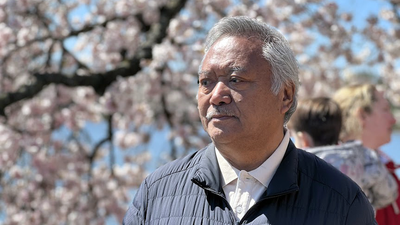
Jamyang Dorjee
Master calligrapher with decades of experience in traditional Tibetan scripts
A renowned master of Tibetan calligraphy with decades of experience and deep cultural wisdom. His work anchors the entire Terma Foundry ecosystem in authenticity — from the letterforms that shape our typefaces to the cultural standards that guide our rendering tools and CSS framework. Known for meticulous craftsmanship and profound understanding of Tibetan heritage, he ensures that every layer of the platform — type, layout, and interaction — honors the spirit of the script.
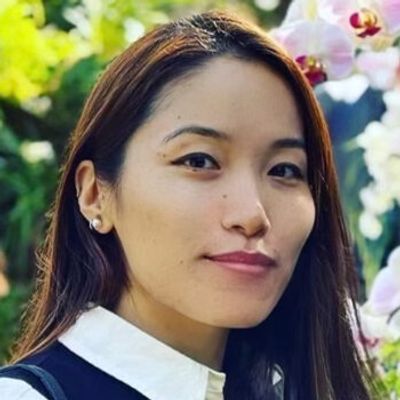
Dr. Yewong Dongchung
Cultural historian of Tibet, Postdoctoral Fellow at Brown University
A cultural historian of early modern Tibet and China, currently a Postdoctoral Fellow in History at Brown University. Her dissertation, "Carvers and Print Workshops," traces the development of Tibetan-language woodblock printing houses from the 17th to 19th centuries — exploring how monastic leaders adopted printing as a durable medium for perpetuating Buddhist knowledge. Her expertise in Tibetan material culture, print technology, and artisanal craft traditions brings vital historical depth to Terma Foundry's mission of bridging centuries of Tibetan literary heritage with modern digital tools.
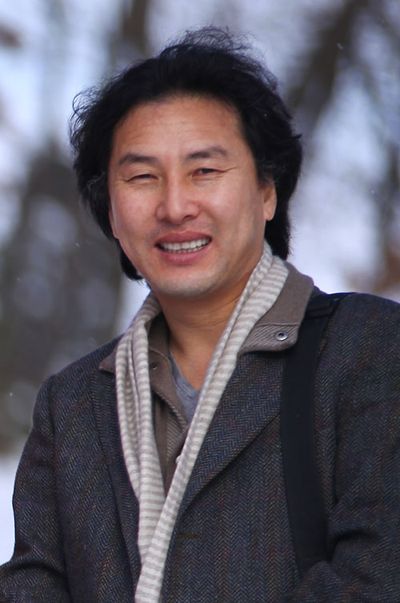
Sonam Tsering
Director of Columbia University's Tibetan language program
Director of the Tibetan language program at Columbia University. Previously at the University of Michigan — where he also taught remotely at Yale and Ohio State — he brings firsthand insight into how Tibetan is taught and learned across institutions today. Originally from Rebgong, and later a founder and editor of Bod kyi Dus bab (Tibet Times) in the exile community in India, Sonam helps ensure that Terma Foundry's tools — from TermaType to PechaForge to the dictionary — serve real pedagogical needs and work for learners at every level.
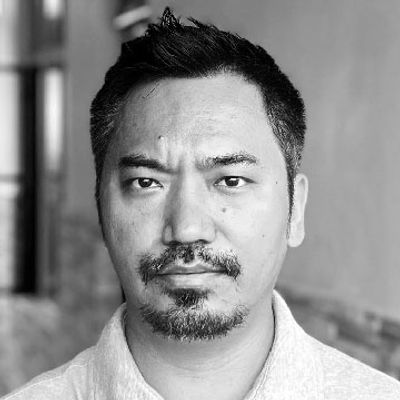
Thupten Chakrishar
Social entrepreneur building Tibetan digital infrastructure for 20+ years
A seasoned social entrepreneur and technologist with over two decades blending technology, design, and community service. With a background in software development, media production, and 3D animation, he leads the engineering behind Terma Foundry's entire ecosystem — termaUI, TermaType, PechaForge, TermaOCR, the dictionary, and the font pipeline. Co-founder of the Himalayan Elders Project, he brings the technical vision and dedication needed to build the digital infrastructure Tibetan script has been missing.

Tashi Gyaltsen
Cloud solutions architect with 15+ years in secure, scalable infrastructure and distributed systems
A cloud solutions architect with 15+ years of experience specializing in secure, scalable infrastructure and modern system design. He has led complex cloud migrations, identity and access management, and network architecture for distributed systems. His expertise in building resilient platforms for specialized applications brings critical infrastructure knowledge to Terma Foundry — ensuring that as our tools grow from web prototypes into desktop applications, the systems behind them are built to scale.

The Extended Team
Behind every tool is a community. Tibetan linguists and educators test our tools and validate that the ecosystem works in real classrooms. Type designers translate calligraphic originals into production-ready digital fonts. And Unicode specialists ensure full script coverage, because Tibetan's stacked consonants must be encoded exactly right for everything else to work.